The Imagined Book Cover

The Imagined Book Cover challenge 2025

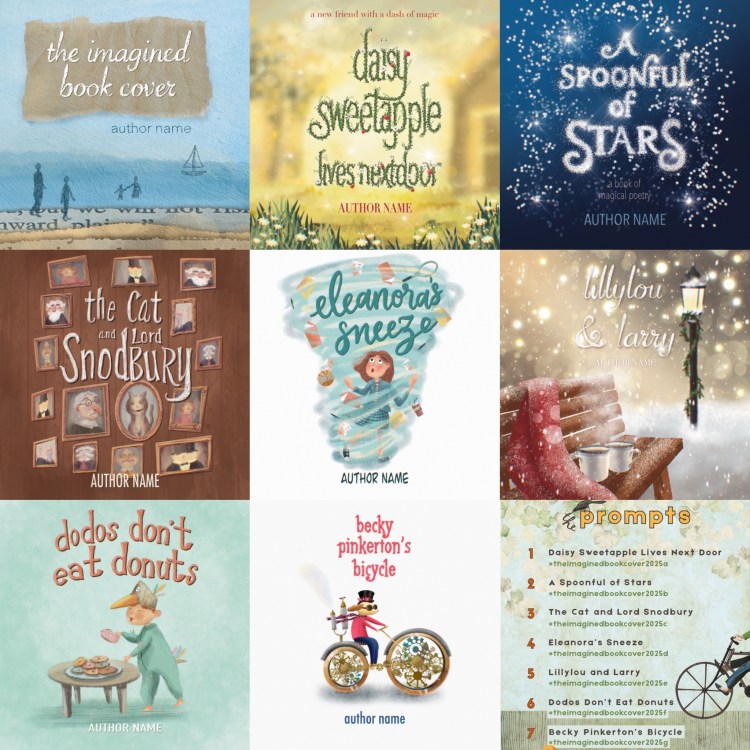
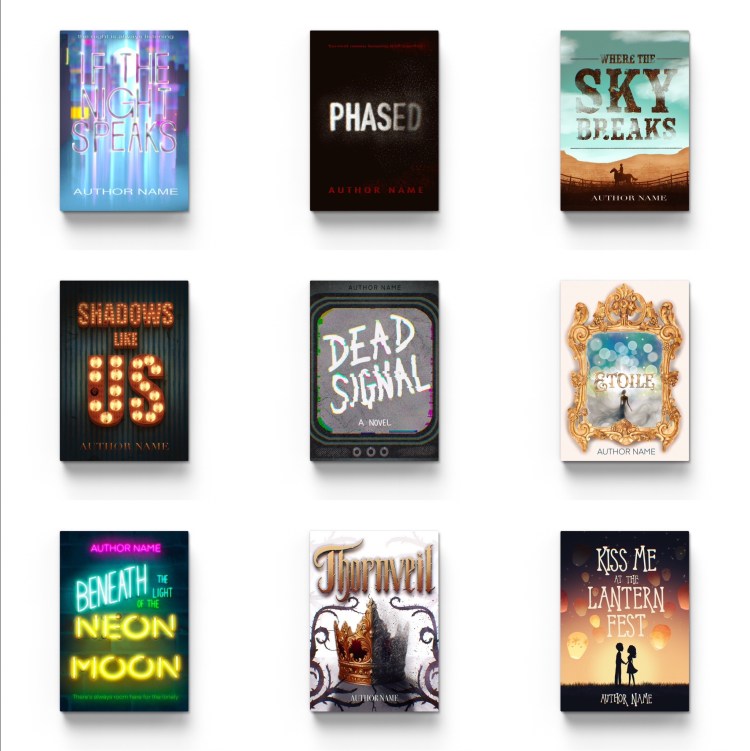
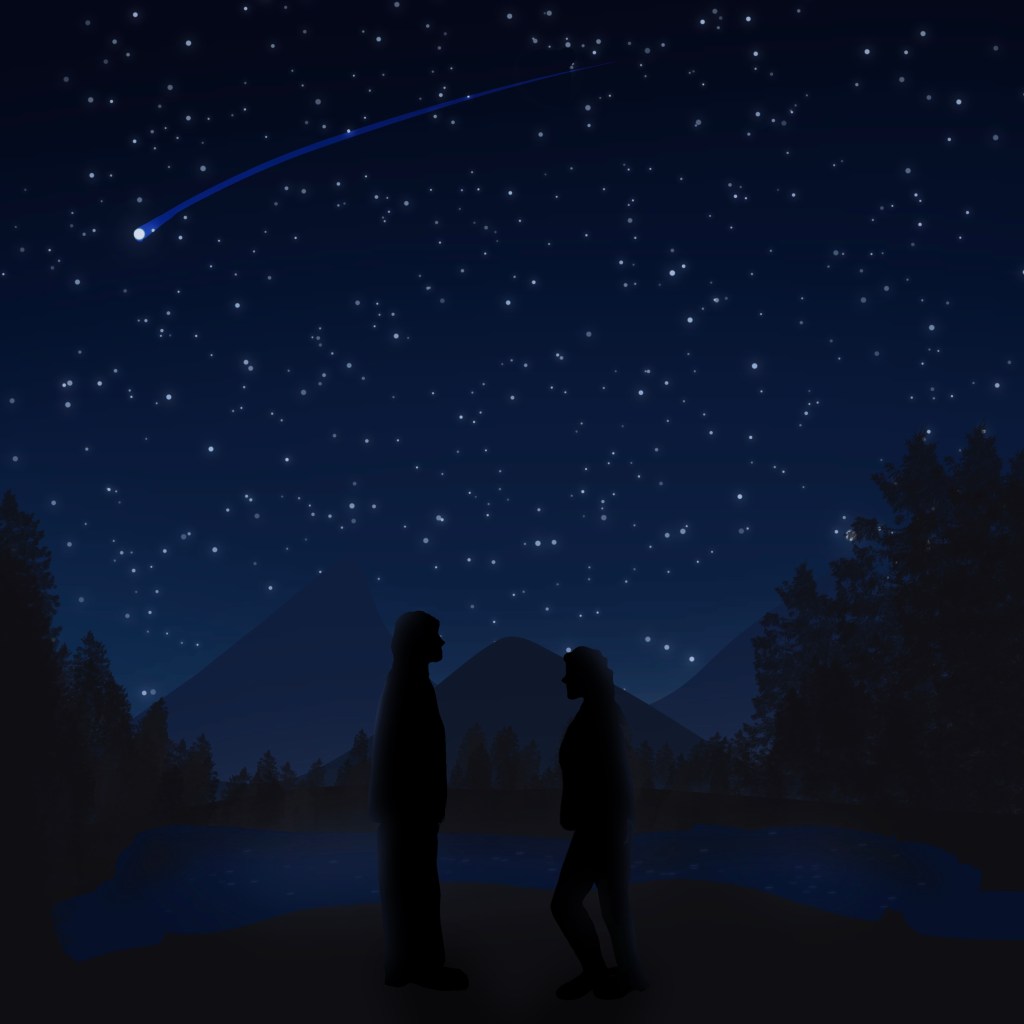
Each year the incredible illustrator Monty Lee hosts the Imagined Book Cover challenge on Instagram, where she comes up with seven creative titles and everyone who joins creates book covers for those titles. It’s so fascinating to see how different and unique everyone’s imaginations are, and how we all interpret the prompts differently.

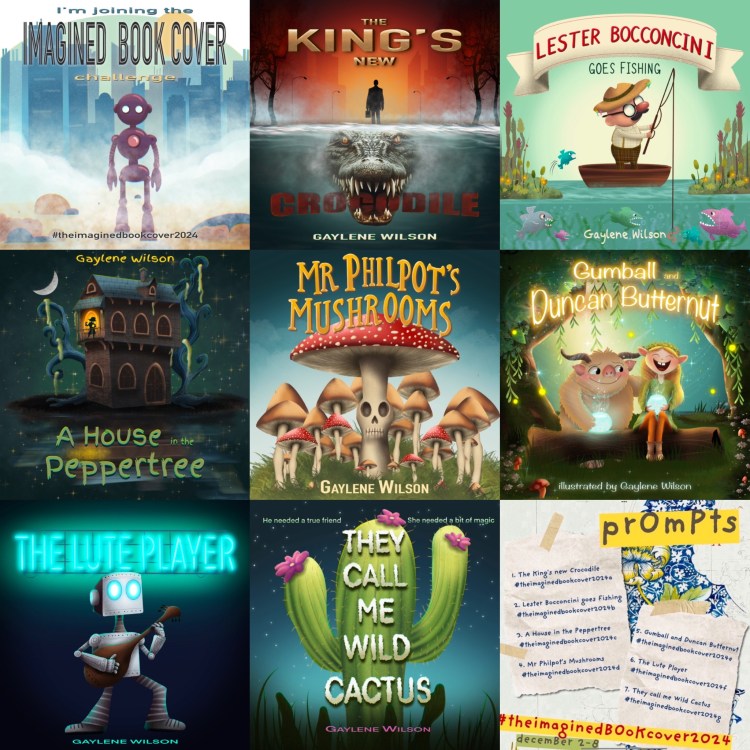
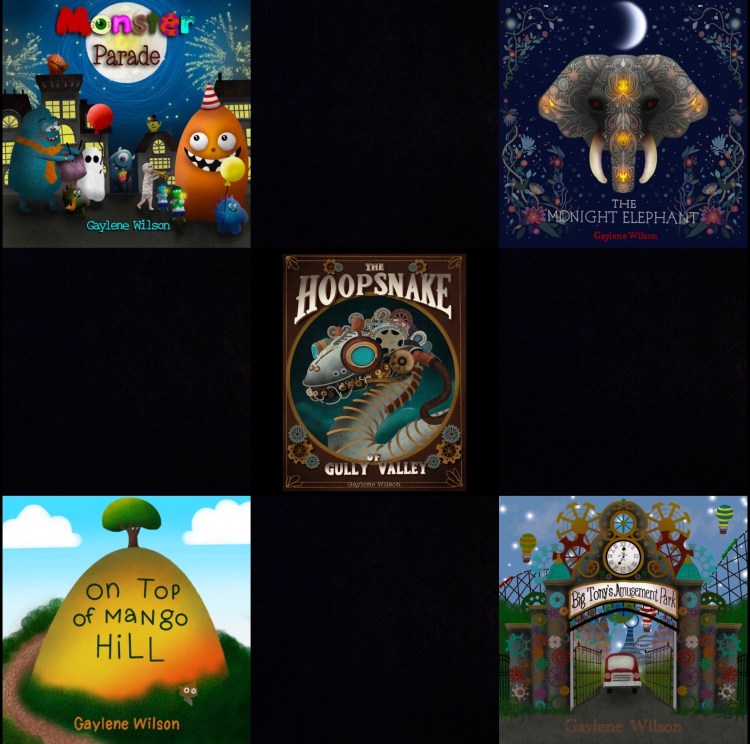
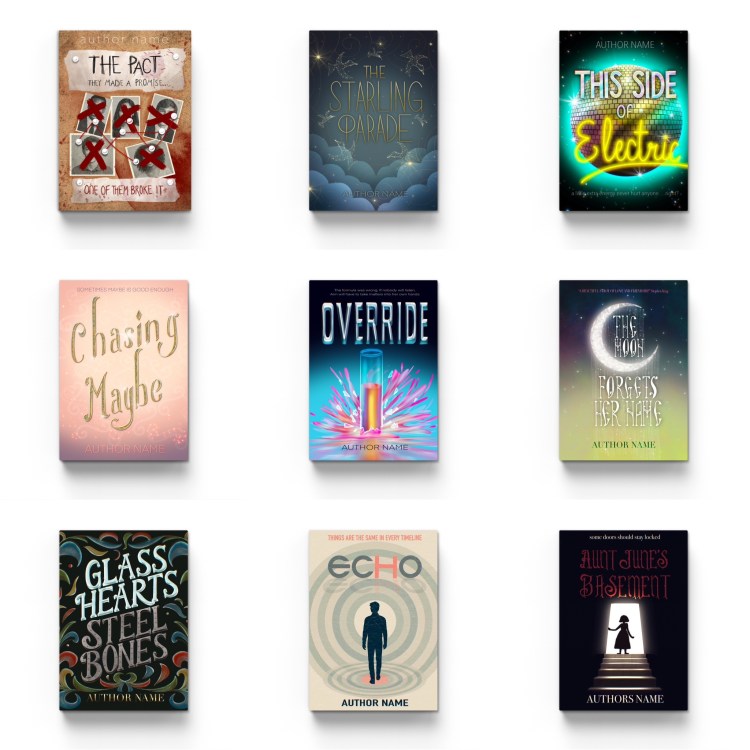
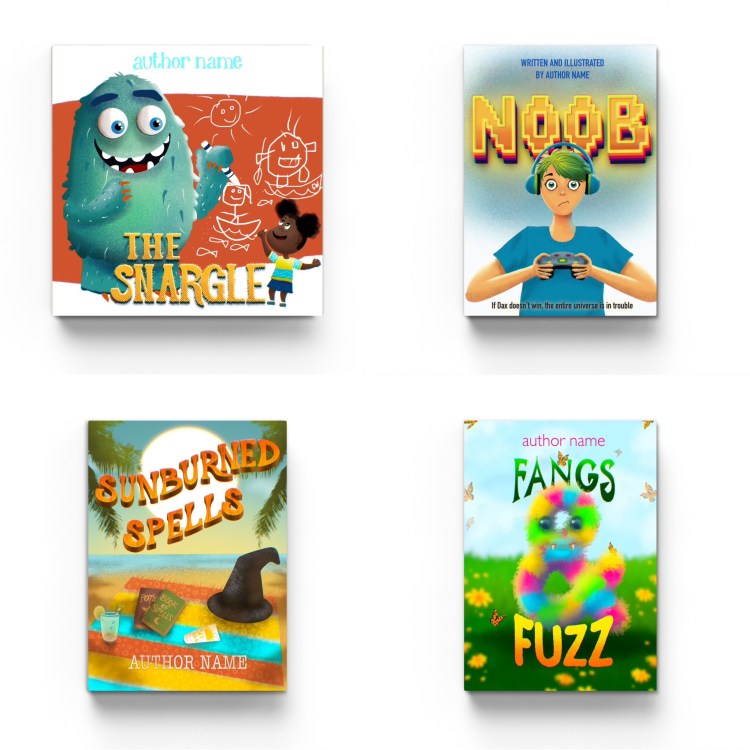
The above picture is what I came up with this past year from her imaginary titles, and the two below are from previous years. The year I only did five prompts, I had literally just started learning to draw again a month earlier and was using Procreate Pocket on my phone illustrating with my finger. I have thankfully moved on to an ipad and pencil and hopefully improved a little (although, I love the vibrant colors from 2024 more, I think)

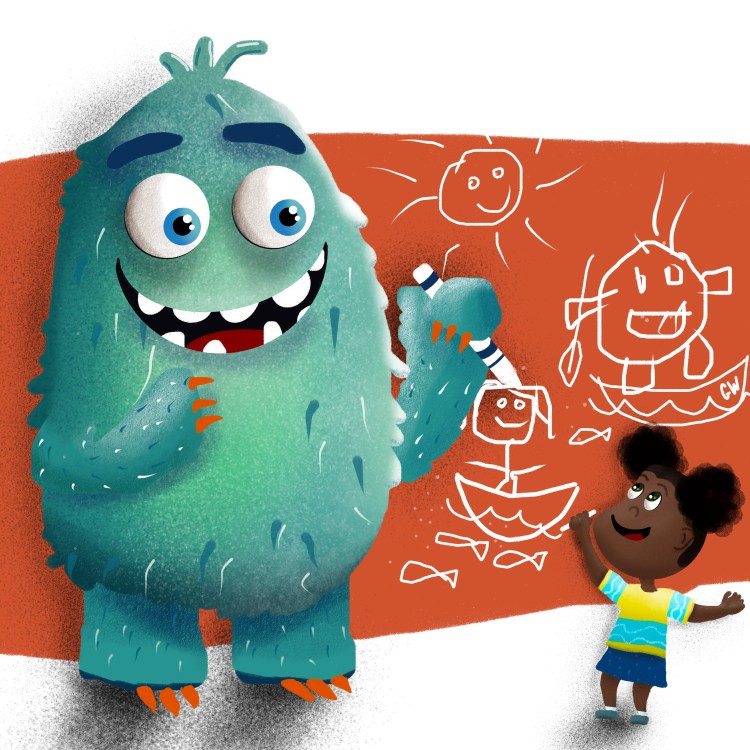
The Imagined Book Cover challenge 2024
The Imagined Book Cover Challenge 2023 (after only drawing for about a month)

Lettering Challenges

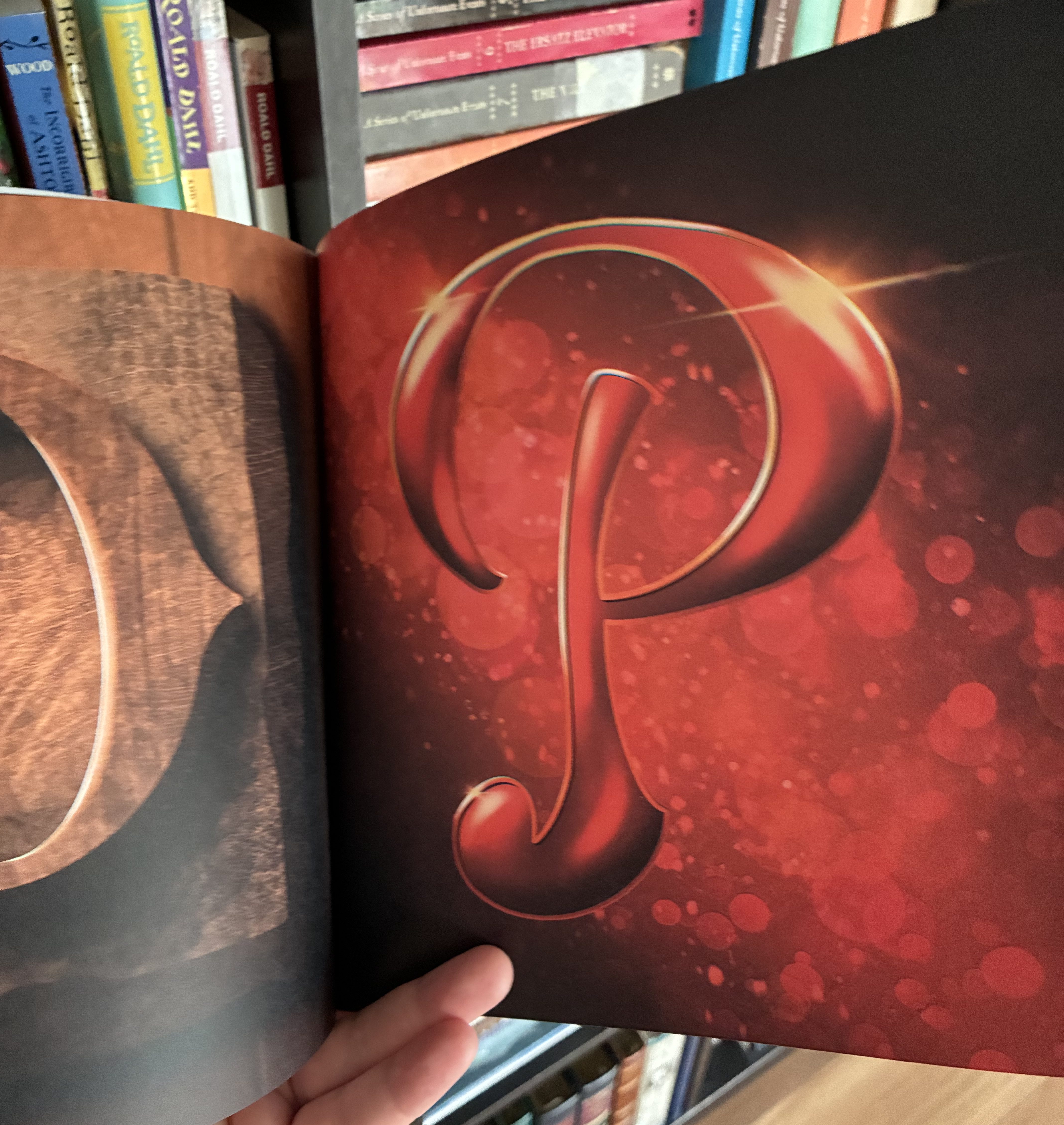
I’ve been learning to design and draw lettering styles for book covers, and Aurelie Maron is one of the best teachers for this!

Each October she hosts a Lettering Style Challenge, where she assigns a style for each day (bevel, san serif, horror, etc), and it’s incredible to see what so many creative people come up with!

Here are my feeble (yet fun) attempts at drawing and lettering book covers with randomly generated titles. This is my second year joining in this challenge and I’ve learned so much by trying styles I’m unfamiliar with, pushing me out of my comfort zone.

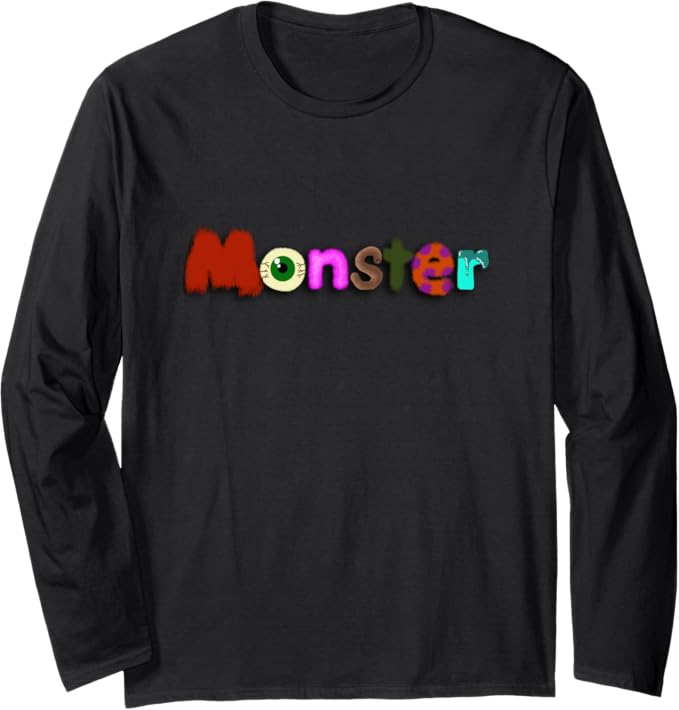
A Minimalist Monster Costume

Since it will be October in a few days, I thought I’d share the Monster design I created for Amazon. I got one for myself last year and it has been a good, comfy t-shirt that has worn well through many washes! It’s perfect for those Halloween events where you want to look festive without needing to wear a costume 🙂

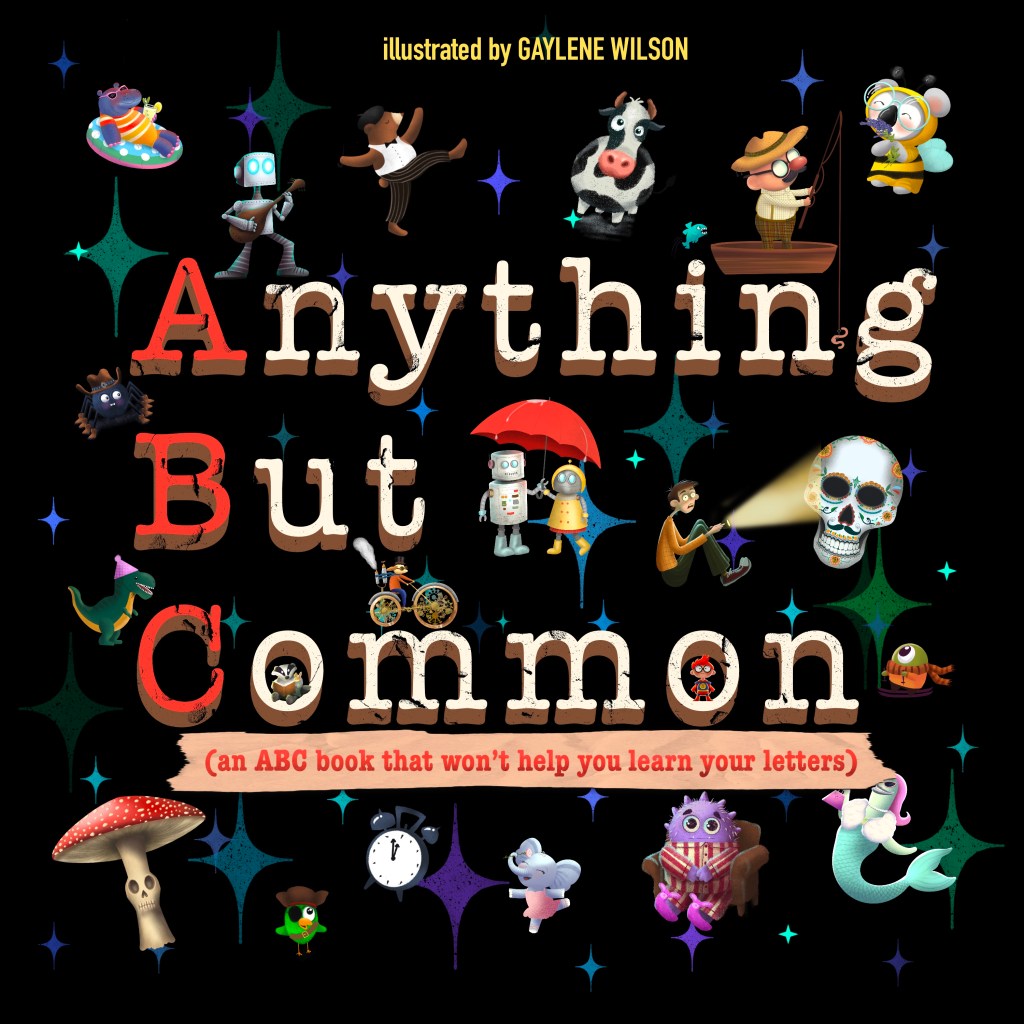
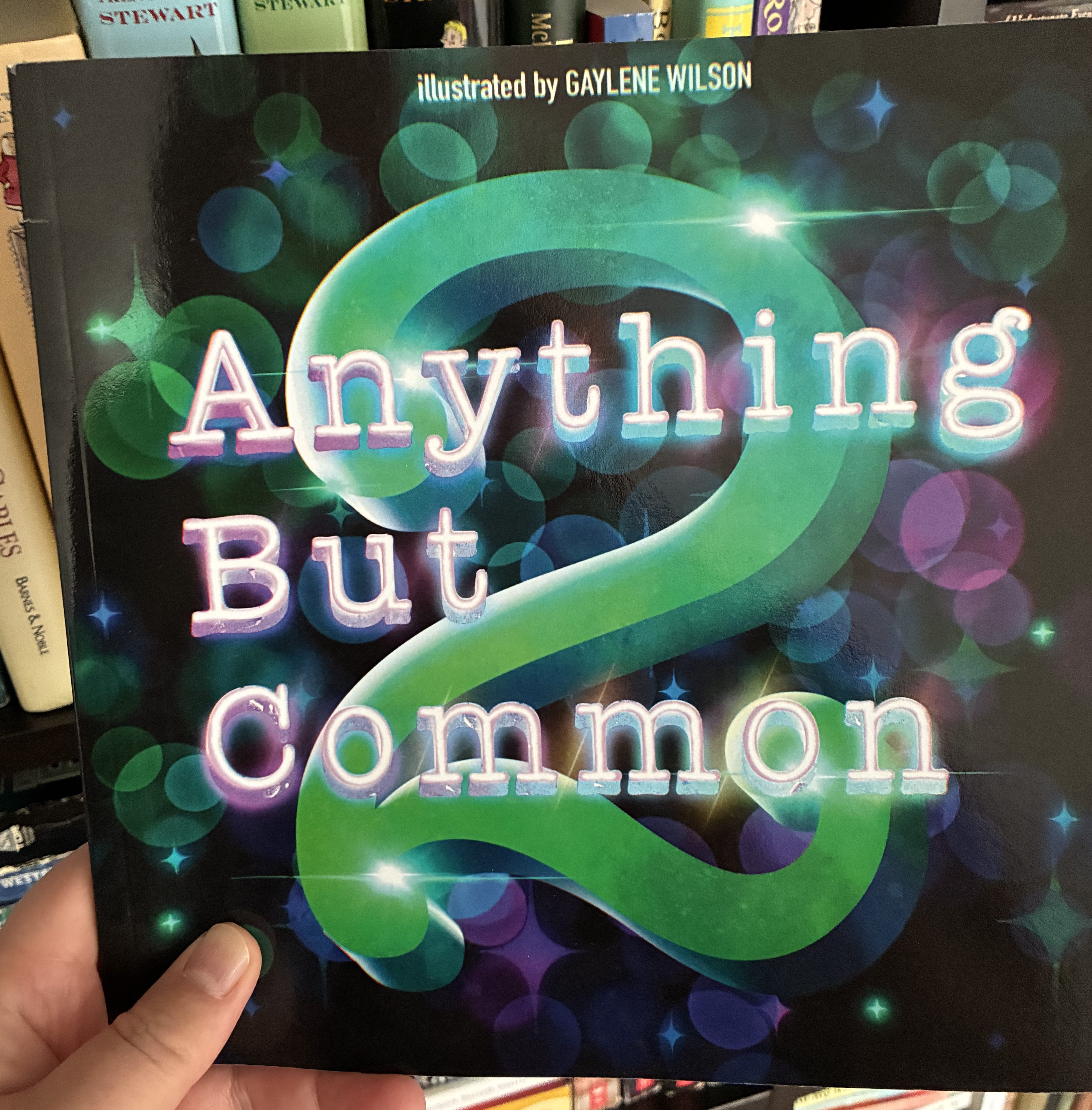
Anything But Common

This past month, I participated in an Instagram challenge (36daysoftype) where we created one letter of the alphabet each day. I’ve wanted to draw the alphabet for a few years now, but haven’t known what kind of a theme I’d want to have, so I kept procrastinating.

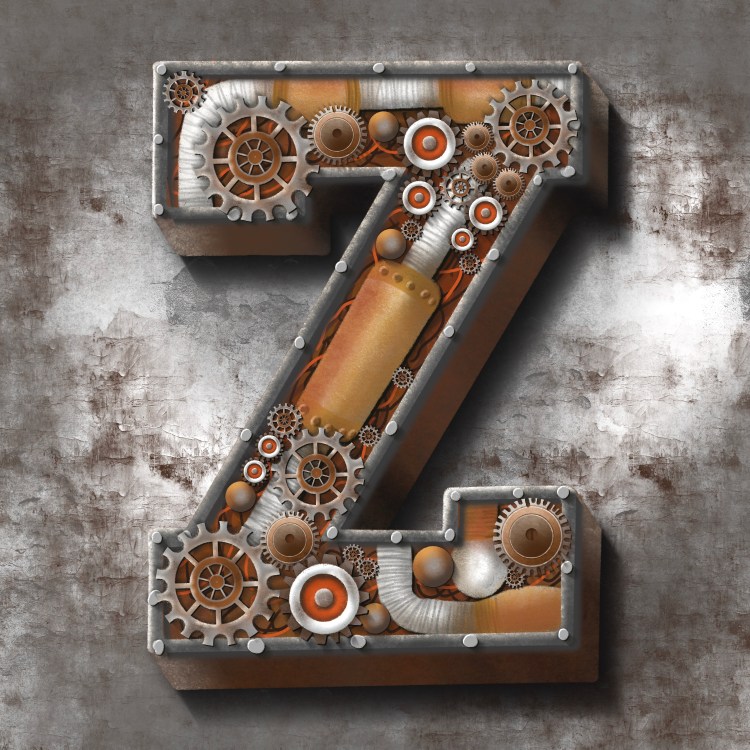
Then an Instagram friend Monica asked if she could animate a letter of mine for the challenge. Since I didn’t have the alphabet illustrated already, I decided I’d draw a steampunk Z for her, so it would have cool moving parts. Once I drew that, my hyper-focus kicked in and I decided to illustrate all of the letters. My theme would just be “random.”

I created a list of topics (different types of food, weather, genres, art, etc.), and just grabbed one each day to turn it into a letter. It was so much fun having freedom to do whatever I wanted, not worrying about the fact that none of the themes or sounds matched the letters. When I was finished, I wanted to hold these quirky ABC illustrations in my hands, so I turned it into a book that is Anything But Common. 🙂

A story about a little robot

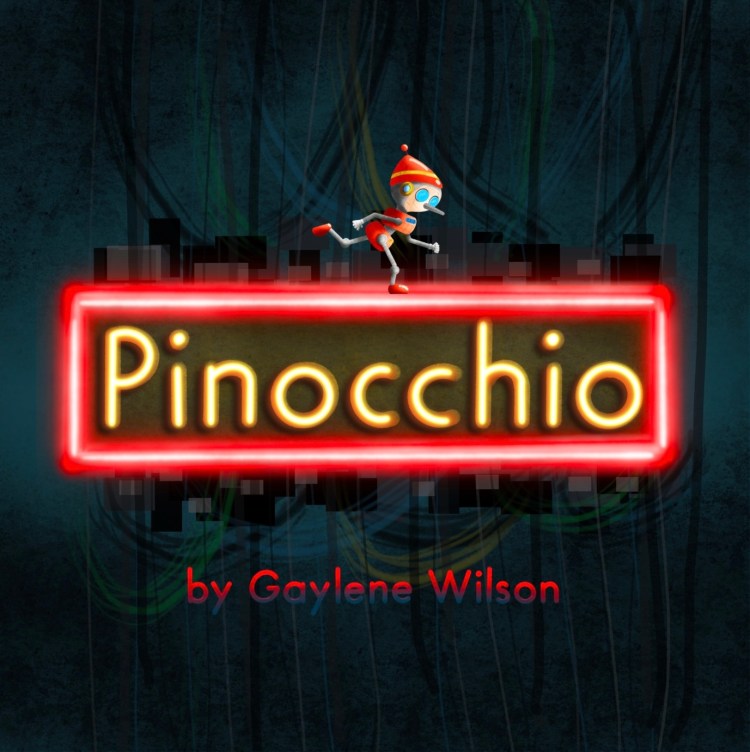
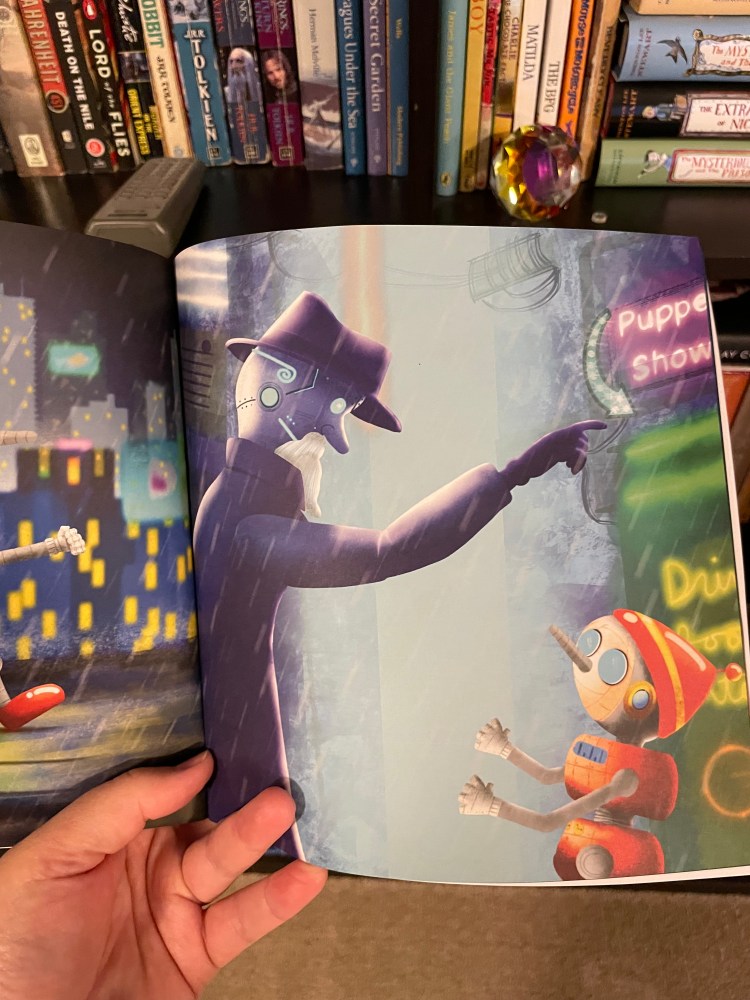
A few months ago I participated in an Instagram illustration challenge #bkspinocchio and I enjoyed it so much I drew a few extra images and put it in a wordless picture book just for myself. It’s sold on Amazon now, but it’s not a standard picture book layout since I just wanted the drawings gathered in a book so I could enjoy them in print.

This challenge was hard because I didn’t know if I could draw consistent characters, and each time I sat down I thought “I don’t know how to do this!!” But made myself figure it out and do it anyway. It’s not perfect, but I’m really proud of it 🙂 especially because, before last October, I hadn’t drawn in 20 years. But drawing every day since last October has given me confidence, and I’ve slowly built up skills I didn’t know I had!

None of us knows what tomorrow will bring, so do that thing—publish that book, play with those art supplies, learn a new skill! Don’t let your creativity sit on a hard drive somewhere, share your imagination with the world ❤️

How to Be a Star

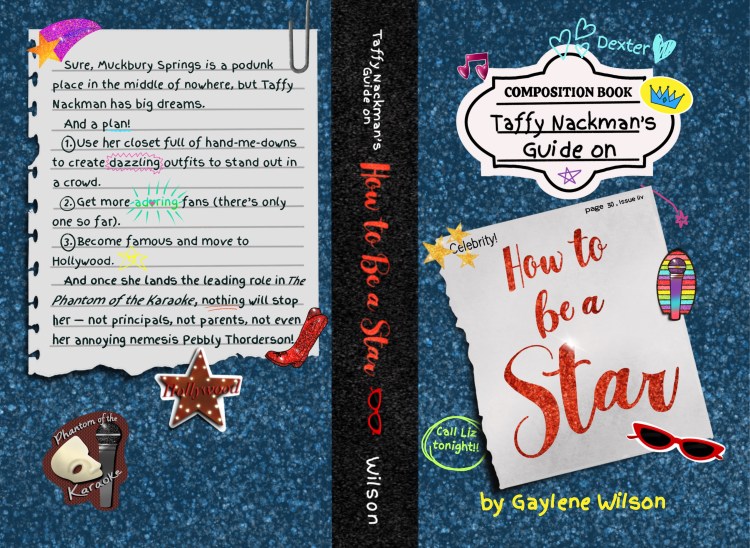
My middle grade novel, Taffy Nackman’s Guide on How to be a Star, is now live on Amazon!

This story started out in my imagination years ago with a quirky twelve-year-old girl’s voice saying something like:

Just so you know, I’m not a star.

I’ve never even met any real famous people in my entire twelve years of life.

Although, last month I caught a glimpse of that girl from all those oatmeal commercials. She was eating a pickle on a stick and checking out the prize-winning pigs. At least, I think it was her. It could have been Pebbly Thorderson’s cousin. I was high up on the Ferris wheel, so it was hard to tell.

But someday I’ll be even more famous than that oatmeal girl.

And I wanted to find out more about her! So I started writing and illustrating this funny girl’s story.

In fifth grade I wrote a book called How to be a Star. As good as that one was, I’m hoping my new novel might be a step up from this one 🙂

I created a book cover!

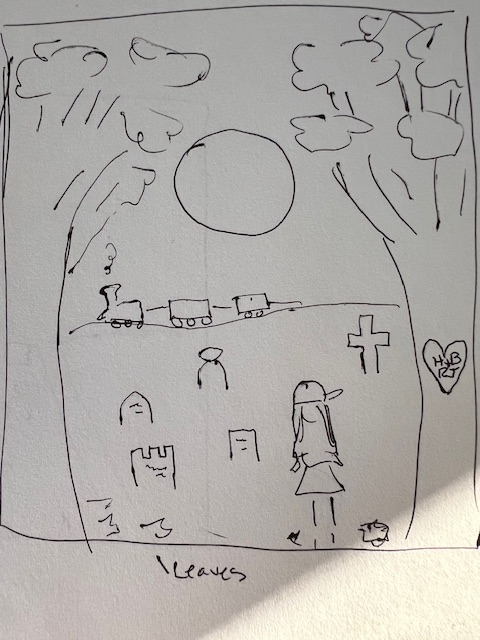
I met Jill Campbell at the Writing and Illustrating for Young Readers conference several years ago, and we kept in touch over Instagram (she was one of my first big cheerleaders as I started my illustration Instagram page). She reached out to me a few months ago, asking if I’d be willing to be brave and try to make a cover for her middle grade historical novel, Ruby, Who?

She gave me a little sketch she’d made with her idea of what she wanted, and I thought I’d give it a try.

After I drew the initial artwork, I read her novel. I laughed and I cried through the entire story, it was so good. Her cover vision really did fit the gorgeous story beautifully, and I’m proud to have my drawing on her book!

Definitely go read Jill Campbell’s middle grade novel, Ruby, Who? It’s a wonderful story about a twelve year old who is literally searching for her place in this world, and figuring out what it means to be part of a family. There’s so much humor and heart in this book, and I loved it.

Mindfulness Picture Books

I’ve been thinking a lot over the past decade about how to be more mindful in my life. Of where my food and belongings come from, of what I put into and onto my body, of what and who I surround myself with.

When Stefanie Hohl asked me to write a guest blog post for her Picture Book Writing Challenge, I jumped at the chance to learn more about these books! You can read that post over on her blog.

A Pocket Full of Art

If there’s a blank space on a paper, I’ll probably doodle on it. I’ve never considered myself an artist, but have always been moved by other people’s art work, and in the past I liked to draw. I even took a few art classes in college (oil painting seemed like a good idea in theory, but I have no patience for how long you have to wait between layers).

Then I had kids and promptly forgot about my love of drawing, although I still appreciated other people’s art and especially illustrations in picture books.

Recently I discovered Procreate Pocket, which is done on an iphone instead of an ipad (because I don’t have one of those yet…), and fell in love with creating and drawing again!

I have a folder full of picture books I’ve written over the years. They occasionally call to me and beg to see the light of day. My hope is that in the near future I can self publish my own picture books — after I practice and learn to become a better illustrator. I’d also like to become skilled enough to draw my own book covers, as well as other images, if my middle grade and YA books need an illustration.

I’ve started a new Instagram page @gaylenewilson.illustration to have a place to put my drawings and be inspired and cheered on by other incredible illustrators. It has been an exciting and extremely rewarding adventure!

The Hidden Power of Emotional Needs

Last time we talked about what the character wants (which is a tangible goal that appears to be obtainable – something like, you want to be popular). Today we’ll unravel the power of a character’s needs (something intangible/emotional – such as, you need to find people who truly love you for who you are).

Most characters know what they want, or think they want, at the start of the story. But most characters don’t recognize what their true need is. When your character eventually ends up having a dark night of the soul, it’s usually because they lost what they thought they wanted. And that’s often when they realize what they truly need. Unfortunately, because writers are evil villains, the character probably won’t get what they need until the end of the story.

So how do you decide what they need – and what they’ll lose because of it? To find your characters’ emotional needs, we need to consider a few things:

Healing and Redemption: What are your character’s emotional scars? What do they need to heal, or find closure for? Find the things that haunt them and drive their actions, as they desperately seek peace.

Self-Identity and Acceptance: Does your character struggle with self-doubt, or feel like they don’t belong? Do they need to find acceptance in a judgmental world? Let their search for self-identity guide them.

Freedom and Autonomy: Does your character feel trapped by social expectations or their own fears? Use this information to help them fight for freedom.

Connection and Belonging: Does your character yearn for love, friendship, or a sense of belonging? Use this to transform them as they learn to form authentic relationships.

Once you’ve discovered your characters’ emotional need, now you can weave it into your plot. It should fuel their actions and propel them forward.

Before the story ends, your character needs lose what they need (for example, you became popular, grew close to the girl who is perfect for you, then turn into a jerk due to your newfound popularity and then publicly lose the girl). This will force your character to reevaluate their values and grow. It should challenge their beliefs, push them to their limits, and set the stage for their ultimate transformation.

This exposes their vulnerabilities and forces them to confront their internal conflicts. And while they may lose what they need, it is through this loss that they find the strength to evolve and grow (such as, after losing the girl of your dreams due to your jerky behavior, you see that you can stand up for nerds who were just like you at the start of your journey, thus making the girl you love to respect you again).

By weaving emotional needs into our plot, we create a story that resonates with readers on a deeper level, evoking empathy, and sparking introspection.

Next time we can talk about our character’s deepest fears (and yes, this goes deeper than just spiders or snakes), and how to weave that into a strong, interesting plot.